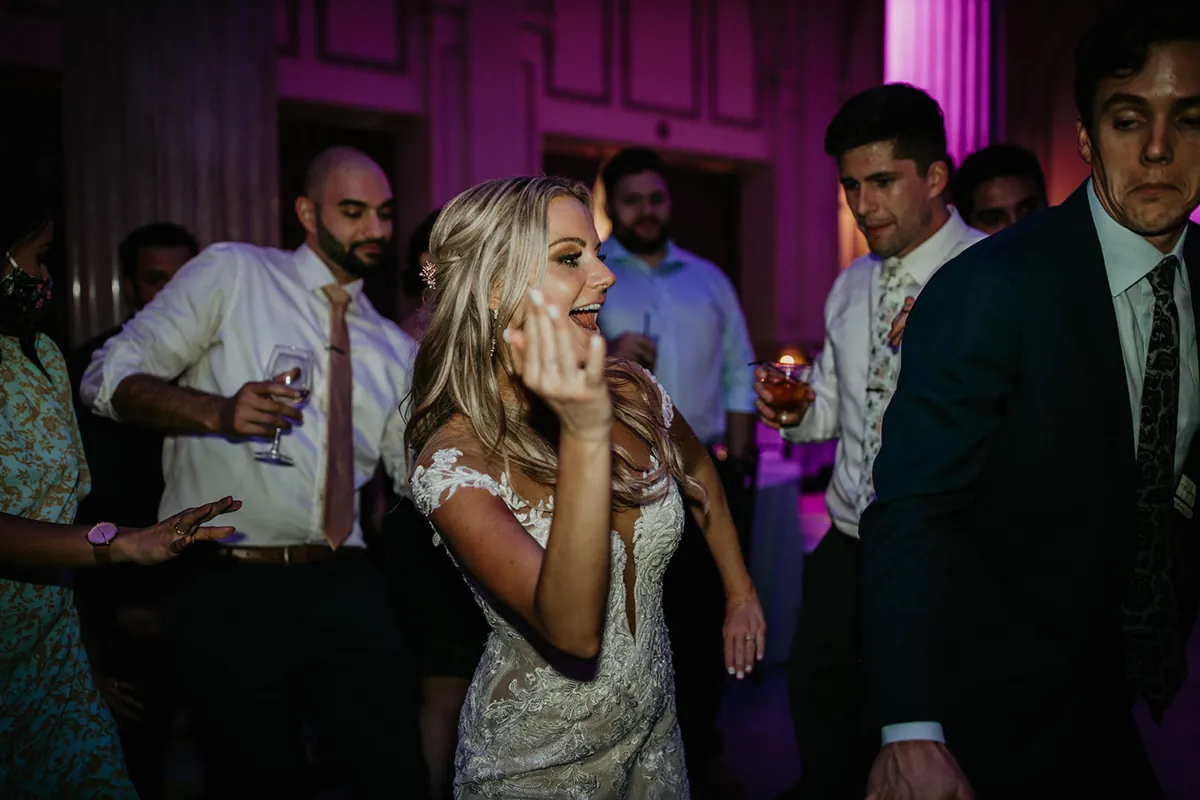
Wedding DJ At Walker’s Landing (Omni Amelia Island) In Amelia Island, FL | Y? Entertainment
Y? Entertainment has performed 175+ weddings at Walker's Landing on Amelia Island. Hall of Fame DJ service with 27 years in Northeast Florida.
Read more
Tips, trends, and inspiration from our team of event professionals in Northeast Florida.

Y? Entertainment has performed 175+ weddings at Walker's Landing on Amelia Island. Hall of Fame DJ service with 27 years in Northeast Florida.
Read more
Looking for a corporate event DJ in Jacksonville, St. Augustine, North Florida, or South Georgia? Learn how to choose a professional DJ who understands music, event flow, clean lyrics, announcements, and how to read the room.
Read more
A complete guide to choosing the right wedding DJ in Jacksonville, St. Augustine, Ponte Vedra, North Florida, and South Georgia, covering timeline management, key questions to ask, and red flags to avoid.
Read more
A practical guide to how wedding DJs manage the reception timeline in Jacksonville, St. Augustine, Ponte Vedra, North Florida, and South Georgia, from cocktail hour through the send-off.
Read moreClick the button below to take the first step toward collaborating with us


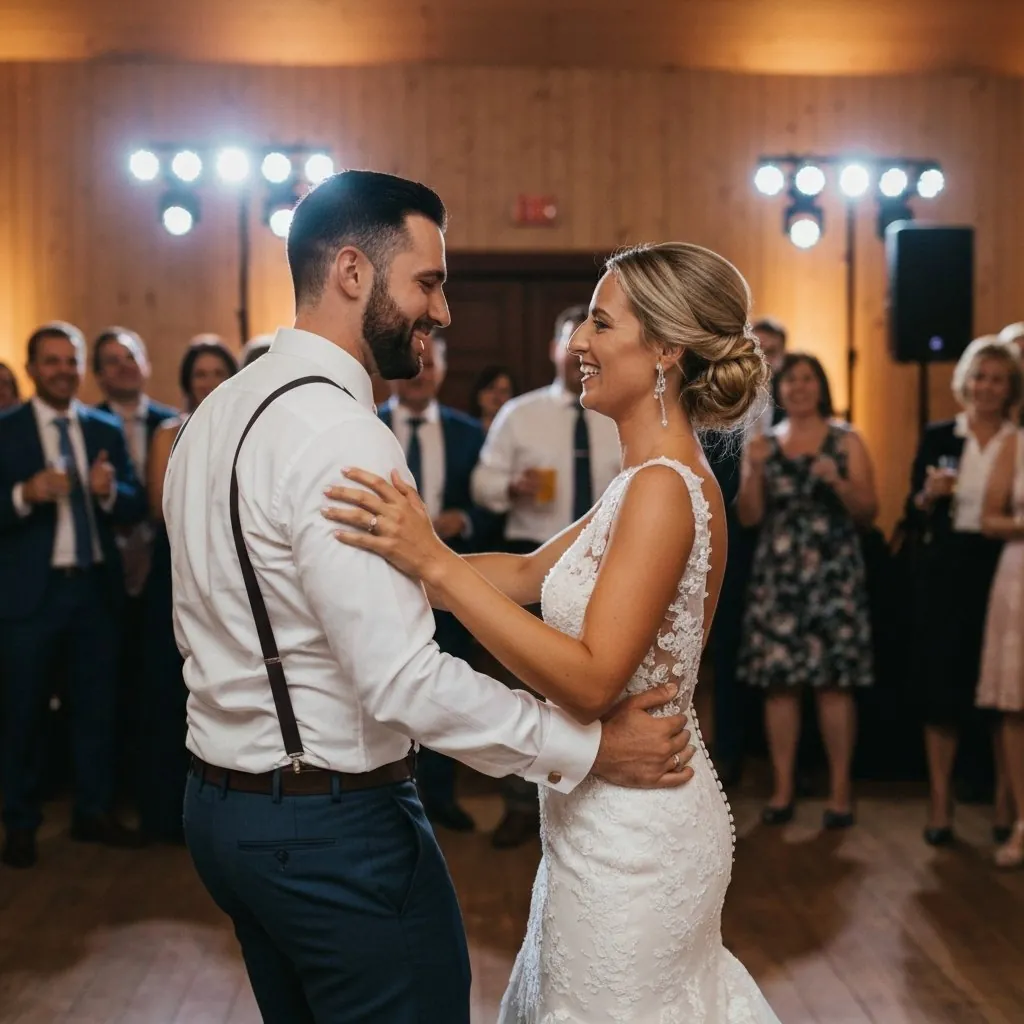
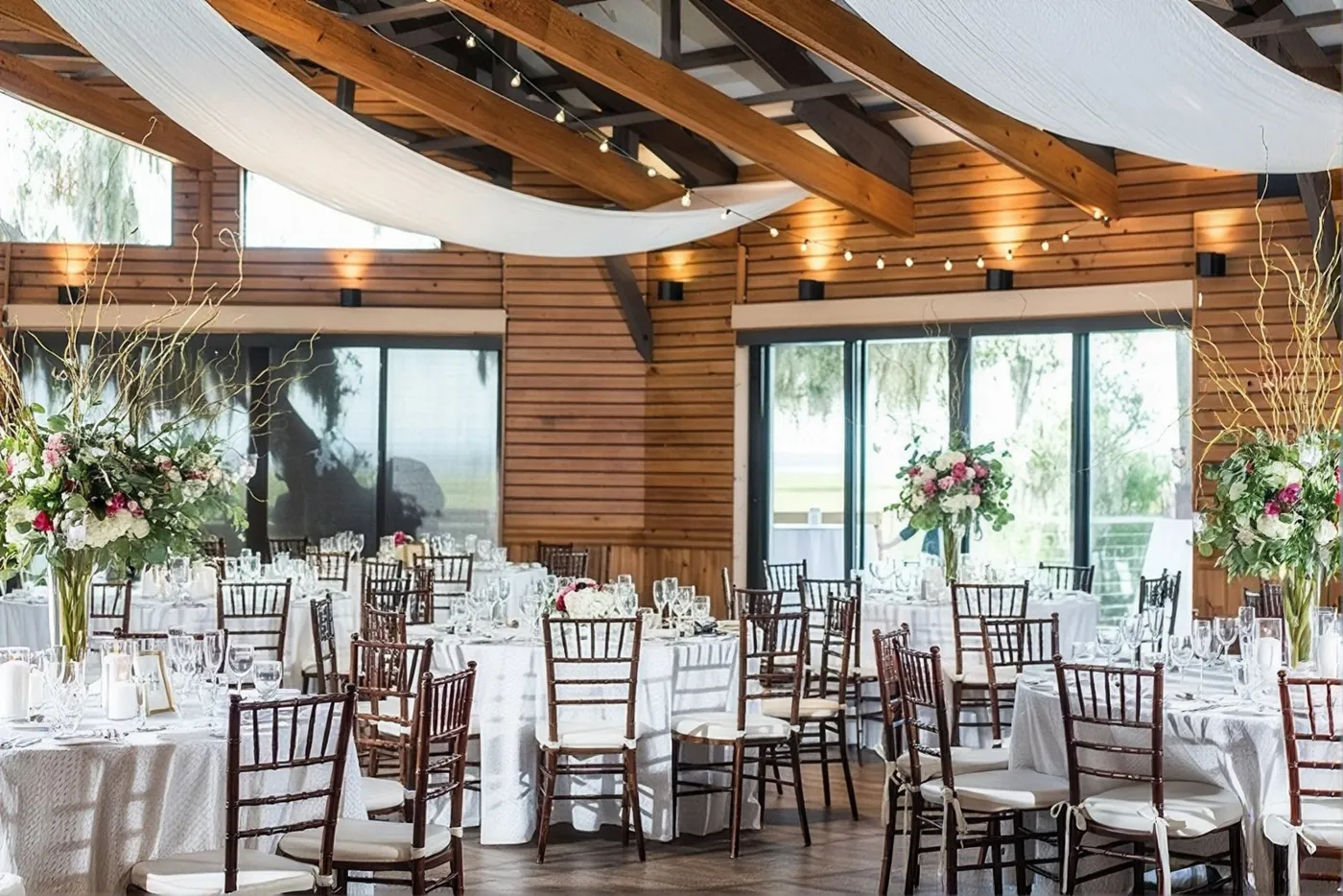
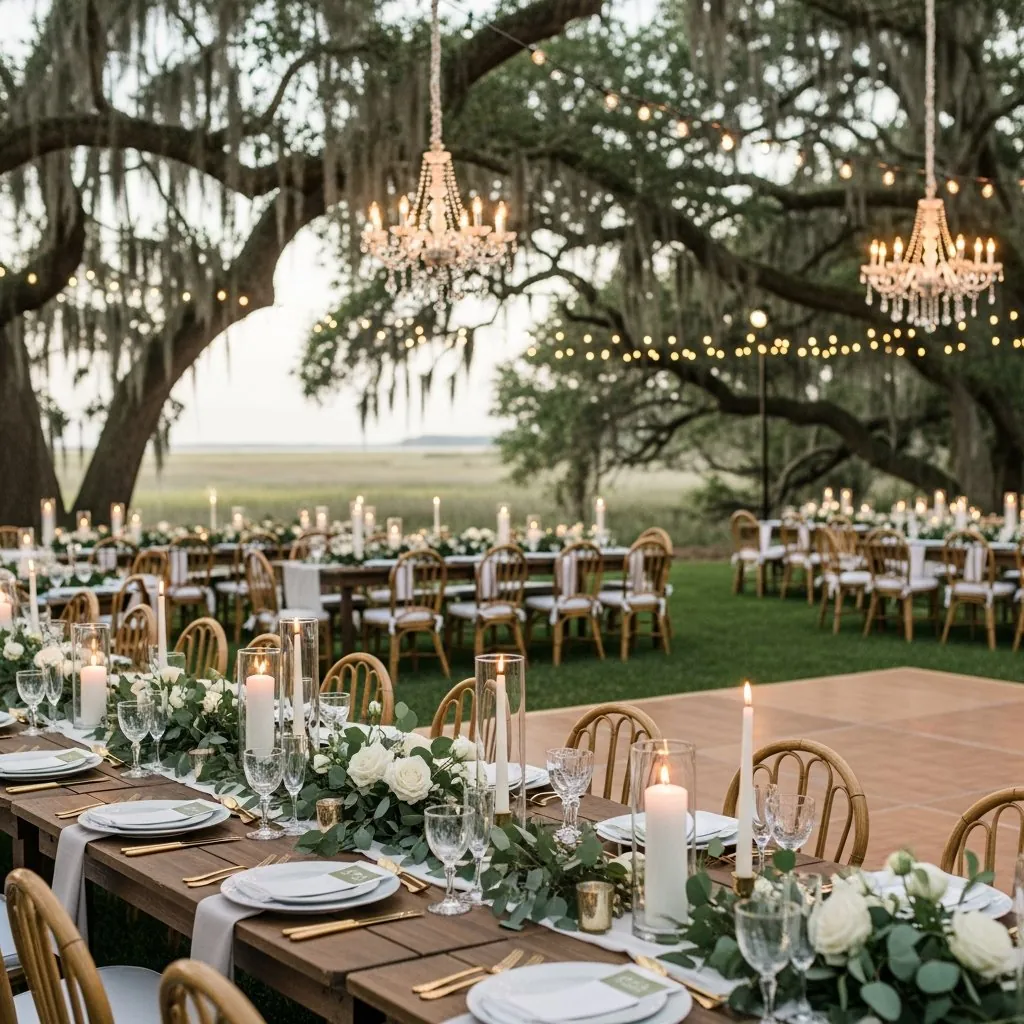
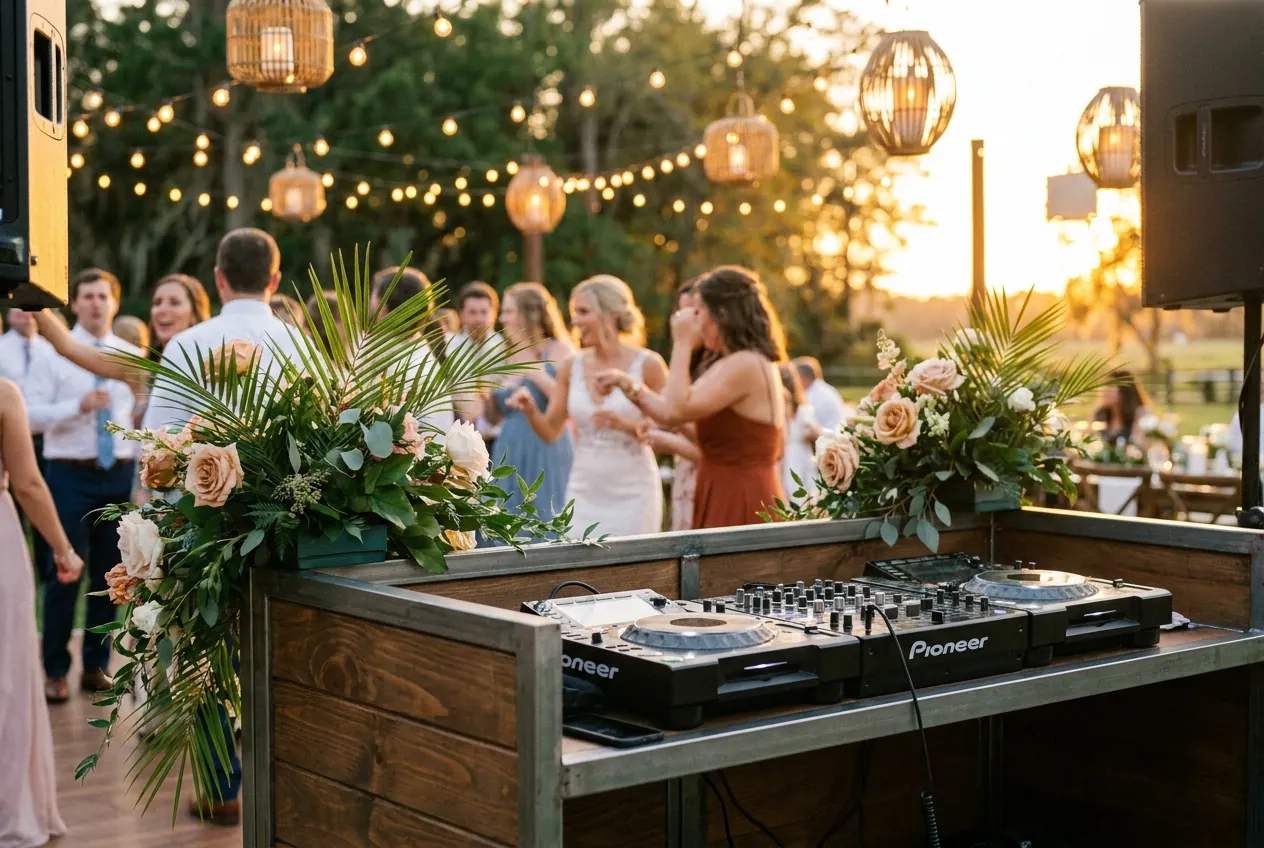
There are wedding venues, and then there are wedding venues that feel like they were designed around a single perfect moment. Walker's Landing at the Omni Amelia Island is the second kind. Sitting right on the marsh side of the resort, with open views stretching out over the Intracoastal Waterway and a deck that catches every last color of a Florida sunset, this pavilion creates an atmosphere that no decorator can manufacture. The water, the light, the salt air - it's all already there waiting for you.
The indoor-outdoor design of the open-air pavilion is what gives weddings here such a relaxed, coastal elegance. This doesn't feel like a traditional ballroom reception. Guests move naturally between the covered pavilion space and the surrounding deck, drawn by the views and the warmth of the evening. With capacity for up to 200 guests, Walker's Landing is intimate enough to feel personal and open enough to feel celebratory - a combination that's genuinely hard to find.
And when the sun starts dropping over the marsh and that golden light spreads across the water, everything stops. Guests drift toward the railing, cameras come out, and the whole evening takes on a glow that no lighting package can replicate. That moment is the heartbeat of a Walker's Landing wedding, and every element of the night - music, timing, flow - should be built to honor it.
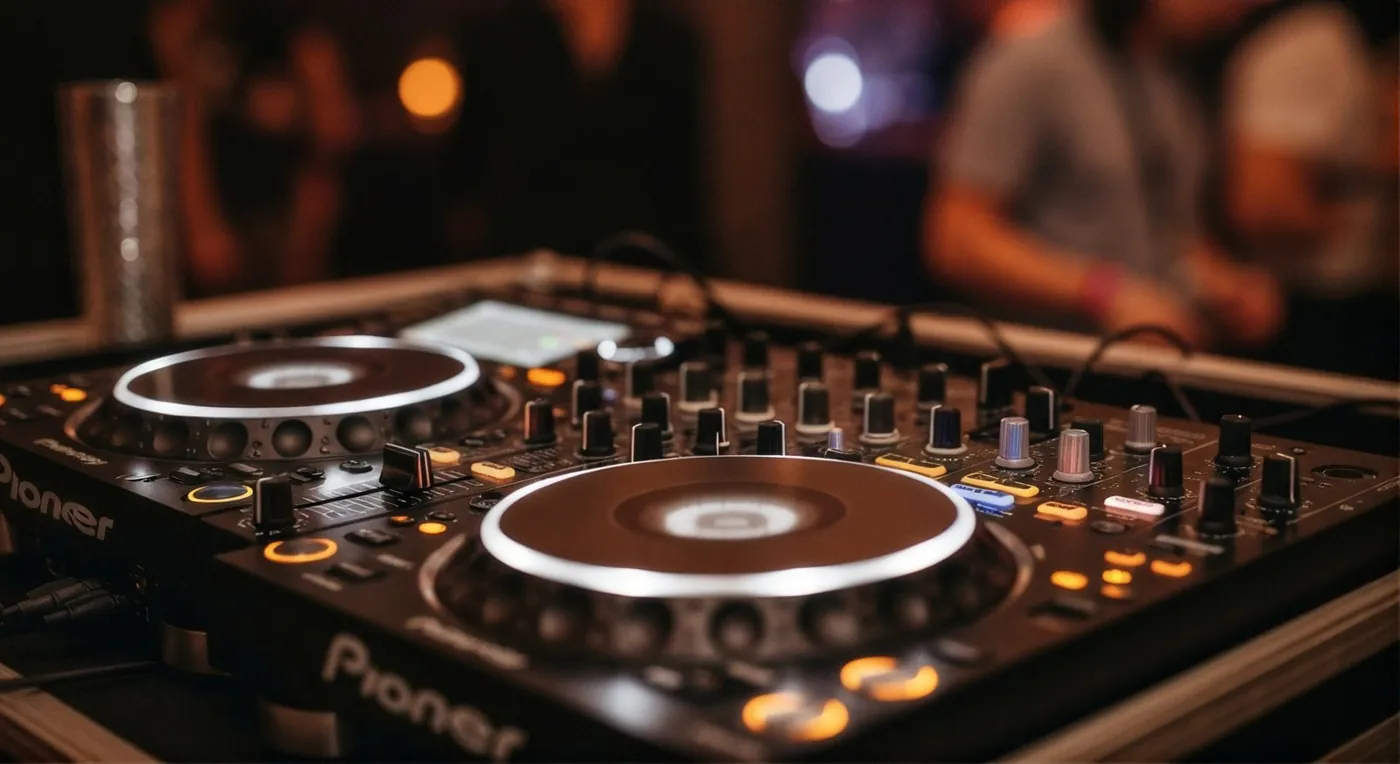
We've performed at Walker's Landing more than 175 times, going back to 2000, and the single most important thing we've learned is that sound here is never a one-room problem. Because the venue lives between inside and outside - with open-air pavilion space, a marsh-facing deck, and guests naturally spreading across both - speaker placement requires real planning. Ceremony music, cocktail hour, dinner, toasts, and dancing may each call for slightly different coverage. Our goal is always a connected audio experience where no area gets ignored and no area gets blasted just to reach another corner of the space. We walk this venue with that challenge in mind every single time.
Sunset timing is built into how we plan every Walker's Landing wedding. We know when guests will start drifting toward the water, we know the photographers will need that window, and we don't fight it - we build the whole evening flow around it. That means cocktail hour energy, dinner entrance music, and the first big reception moments are all timed to feel natural rather than forced. We also talk through the practical details early: power access, generator needs, cable paths, weather protection, and backup positioning. Those conversations aren't glamorous, but they're what keeps the ceremony clean, the speeches clear, and the dance floor ready the moment the party is supposed to start. The Omni resort setting also shapes how we operate - shuttle timing, vendor access, and the rhythm of how resort events move are all things we factor into our planning from day one.
Walker's Landing sits within the Omni Amelia Island Resort, which means your guests have on-property lodging and resort shuttle service available - no one has to worry about driving after celebrating all night. Amelia Island is approximately 45 minutes from Jacksonville International Airport, making it an easy arrival for out-of-town guests flying in from anywhere. The full resort experience - accommodations, dining, and the natural beauty of the island - wraps around your wedding day in a way that makes the whole weekend feel like a destination event, even for guests who live nearby.
When you work with Y? Entertainment, you get one team with one plan built around your specific day at this specific venue. Before anything else, we schedule a dedicated planning call to talk through your vision, your timeline, your must-play moments, and every logistical detail that matters for Walker's Landing. Nothing gets handed off, nothing gets assumed. We show up having already done the work so you can focus entirely on getting married.
Walker's Landing gives you one of the most beautiful backdrops in all of Northeast Florida. The marsh view does its part. The sunset does its part. And we do ours - from the first note of your ceremony to the final song of the night, our whole focus is on making sure the music, energy, and flow of your evening match everything this incredible venue has to offer. That's what we've been doing here for over two decades, and it's what we'll bring to your wedding day. Best. Event. Ever.
Tell us your date and we'll confirm availability - usually the same day.
CHECK YOUR DATEChoosing the right DJ for your corporate event is not just about finding someone who can "get the party started."
That may be what most companies think they are hiring for, but the right corporate DJ does much more than play music. A great corporate event DJ helps create the right atmosphere for the event, the attendees, and the overall goal of the program.
Sometimes that means dancing. Sometimes it does not.
For a company holiday party, conference, awards dinner, networking reception, product launch, or team-building event, the DJ should understand how to support the room professionally. That may include background music, walk-up music, announcements, giveaways, clean music, event flow, energy management, and being able to adjust quickly when the room needs something different than expected.
For companies planning events in Jacksonville, St. Augustine, North Florida, or South Georgia, finding the right corporate DJ can make the difference between an event that simply has music and an event that feels polished, intentional, and memorable.
What Makes a Corporate Event DJ Different?
A corporate DJ is not there to make the event about themselves.
They are there to support the group.
That is one of the biggest differences between a corporate DJ and other types of DJs. At a corporate event, the music, microphone style, wardrobe, timing, and energy all need to match the brand, audience, and purpose of the event.
A DJ for a corporate event needs to understand that every room is different. The same approach that works in a nightclub may not work at an awards dinner. The same playlist that works at a wedding may not work for a networking reception. The same energy that works for a product launch may not work for a leadership conference.
The right DJ should know how to read the room, adjust the music, and keep the atmosphere in the right place without forcing the event to become something it is not.
The Biggest Mistake Companies Make When Hiring a Corporate DJ
One of the biggest mistakes companies make is hiring the cheapest DJ without considering whether that person understands corporate events.
Cheap can become expensive fast when the DJ does not understand the professional tone of the room.
A corporate DJ needs to know how to present themselves, what music is appropriate, how to use the microphone professionally, how to interact with executives and employees, and how to support the planner, venue, AV team, and leadership.
This does not mean a high-energy DJ is a bad choice. It means the DJ needs to know when high energy is right and when it is not.
A club DJ can be perfect for the right setting. But for the wrong corporate event, a club-style approach can feel out of place, too aggressive, or disconnected from the audience.
Success Is Not Always a Packed Dance Floor
One of the biggest misconceptions about hiring a DJ for a company event is that success is always measured by how many people are dancing.
That is not always true.
At many corporate events, success is better measured by whether the DJ matched the vibe, supported the schedule, kept the room comfortable, and helped create the atmosphere the client wanted.
Sometimes the DJ's job is to keep the energy slightly elevated without overpowering the room. Sometimes the music should sit underneath conversations. Sometimes the DJ needs to build excitement for a product launch. Sometimes they need to bring polish to an awards dinner. Sometimes they need to pivot quickly because the event is not responding the way everyone expected.
A strong corporate DJ understands that the dance floor is only one possible measure of success.
The better question is:
Did the DJ help the event feel the way it was supposed to feel?
Different Corporate Events Require Different DJ Approaches
Not every corporate event needs the same DJ style. The best corporate DJs know how to adjust based on the event type.
Awards Dinners
Awards dinners are often more about atmosphere, timing, and polish than dancing. The DJ may be responsible for background music, walk-up music, winner stingers, transition music, and microphone support.
The music should enhance the moment without distracting from the honorees.
Conferences
Conference entertainment can vary widely. Some conferences are low-key and professional. Others are high-energy and built around excitement, celebration, and connection.
A DJ at a conference may need to provide walk-in music, break music, speaker intro music, general session energy, reception music, or after-party entertainment.
The key is understanding the event's purpose.
Holiday Parties
Company holiday parties can be some of the most challenging corporate events for a DJ.
The room may include employees, mid-level managers, executives, spouses, clients, and guests. These groups may not normally socialize together, and dancing is not always the automatic answer.
A good corporate DJ should have options ready. If the dance floor is not working, they may need to help shift the energy with interactive moments, a game show, team-building activity, photo booth experience, giveaways, or another form of entertainment that gives people permission to participate without pressure.
Networking Receptions
At a networking reception, the DJ is usually not the center of attention.
The music should support conversation, not compete with it. The goal is to create a fresh, welcoming, professional atmosphere while allowing people to connect comfortably.
Product Launches
Product launches often call for more energy and excitement. The DJ may help build anticipation, create impact moments, support reveals, and keep the room energized before and after the main presentation.
For this type of event, the DJ should understand pacing, timing, and how music affects emotion.
Team-Building Events
Team-building events are where MC skills, improv skills, and crowd interaction can shine.
The DJ may need to do more than play music. They may need to guide the audience, explain games, keep people engaged, manage transitions, and help create moments that bring the group together.
What Should You Ask Before Hiring a Corporate DJ?
Before hiring a DJ for a corporate event, go beyond price and availability.
Ask questions that reveal whether they understand corporate environments.
Here are a few smart questions to ask:
1. Do you have experience with corporate events? Weddings, clubs, and private parties are different from corporate events. Experience matters.
2. What types of corporate events have you worked? Awards dinners, conferences, receptions, product launches, holiday parties, and team-building events all require different approaches.
3. What do you do if the dance floor is not working? This is one of the most important questions. The right DJ should not panic or keep forcing dance music. They should have other ways to support the room.
4. Are you comfortable adjusting on the fly? Corporate events change. Timelines shift. Speakers run long. The audience may respond differently than expected. The DJ needs to adapt quickly.
5. Can you help with announcements, giveaways, and transitions? A corporate DJ often serves as a professional voice in the room.
6. Will you coordinate with the planner, AV team, venue, or leadership? The DJ should be willing to talk through the run of show, music cues, equipment needs, and key moments before the event.
7. How do you approach clean music? Corporate events need music that is fresh and fun without offensive lyrics or awkward content.
Red Flags When Hiring a DJ for a Corporate Event
Not every DJ is the right fit for a company event.
Some red flags include:
- They have never worked corporate events before.
- They only talk about their club experience.
- They make the event sound like it is about them.
- They are not polished in how they communicate.
- They do not ask about the event goal, audience, or run of show.
- They do not have a backup plan if dancing is not the right fit.
- They seem unwilling to coordinate with the planner, venue, or AV team.
- They do not understand clean music requirements.
- They show up underdressed or do not ask about attire.
- They are not comfortable using a microphone professionally.
A DJ can be talented and still be wrong for your event. The right fit is not just about music skill. It is about professionalism, awareness, flexibility, and being a team player.
How Should Music Be Chosen for a Corporate Event?
Corporate event music should feel fresh, fun, and appropriate for the audience.
Because corporate events often include a wide mix of ages, departments, executives, employees, clients, and guests, the DJ should be comfortable playing a wide range of genres. This is not the time for a DJ to only play their personal favorites.
A strong corporate DJ knows how to move through different styles of music while keeping the room comfortable. They should be able to read who is in the room, understand what the event is trying to accomplish, and avoid anything that could offend, distract, or make the company look unprofessional.
Clean lyrics matter. For corporate events, music should create connection, not awkward moments.
The DJ Should Be Part of the Event Team
The best corporate DJs are not just vendors who show up and play music. They are event partners.
Before the event, the DJ should be willing to talk through the run of show, important music cues, microphone needs, announcement timing, equipment requirements, and any special moments that matter to the outcome of the event.
During the event, the DJ should be aware of what is happening in the room. They should be able to adjust volume, energy, timing, and tone based on the flow of the program. They should also be able to work well with the planner, AV team, venue staff, speakers, and company leadership.
A corporate event is a team effort. The DJ should make everyone's job easier, not harder.
Does Every Corporate Event Need Dancing?
No. Not every corporate event needs dancing, and that is perfectly fine.
Some events are designed for networking. Some are designed to celebrate award winners. Some are designed to launch a product, educate a team, bring departments together, or create a polished client-facing experience. The DJ's role is to support the purpose of the event.
At some events, dancing may be the perfect ending. At others, a game show, team-building activity, photo booth experience, interactive giveaway, or simply great background music may be the better choice.
That is why the right DJ needs to understand more than songs. They need to understand people.
Why Corporate DJ Experience Matters in Jacksonville, St. Augustine, North Florida, and South Georgia
Corporate events in Jacksonville, St. Augustine, North Florida, and South Georgia can vary widely.
One event may be a formal awards dinner at a hotel ballroom. Another may be a beachfront reception in St. Augustine. Another may be a conference after-party in downtown Jacksonville. Another may be a leadership retreat, company celebration, or team-building event serving clients from across the region.
Each setting requires a different level of energy, presentation, and planning.
A DJ with corporate event experience understands how to adjust based on the venue, audience, leadership team, schedule, and goals of the event. They know when to be visible and when to stay in the background. They know when to raise the energy and when to let people talk. They know how to help the event feel professional without making it feel stiff.
That balance is what companies should be looking for.
The Right Corporate DJ Is a Partner, Not Just a Playlist
If you are planning a corporate event, do not just look for someone who can play music. Look for someone who wants to be a partner.
The right DJ will listen to your vision, understand your goals, and offer professional advice based on real event experience. They will help you think through the room, the audience, the flow, the timing, and the energy. They will also be honest when dancing may not be the best answer.
A great corporate DJ brings music, professionalism, adaptability, and experience together to help create an event that feels intentional from start to finish.
Final Takeaway
The right DJ for your corporate event is not always the loudest, cheapest, or flashiest option.
The right DJ is the one who understands your event's purpose. They know how to create the right atmosphere, support the room, protect the company's brand, work with the event team, keep the music clean, read the audience, and adapt when needed.
Whether you are planning a corporate event in Jacksonville, St. Augustine, North Florida, or South Georgia, look for a DJ who can do more than play music. Look for a professional partner who can help make the event feel exactly the way it should.
FAQs About Hiring a Corporate Event DJ
How do I choose the right DJ for a corporate event?
Choose a DJ with real corporate event experience, professional presentation, clean music knowledge, microphone skills, and the ability to adapt to the room. The right DJ should ask about your event goals, audience, run of show, and desired atmosphere.
What should a corporate DJ do besides play music?
A corporate DJ may provide background music, walk-up music, announcements, giveaways, transitions, microphone support, clean playlists, event pacing, and crowd interaction. They may also help coordinate with the planner, AV team, venue, speakers, and leadership.
Does a corporate event DJ need to get people dancing?
Not always. Some corporate events are designed for dancing, but many are not. A successful DJ knows how to support the event's purpose, whether that means dancing, networking, awards, team-building, product launch energy, or professional background music.
What questions should I ask before hiring a corporate DJ?
Ask about their corporate event experience, what types of events they have worked, how they handle a quiet dance floor, whether they can adjust on the fly, how they approach clean music, and whether they will coordinate with your planner, venue, AV team, and leadership.
What are red flags when hiring a corporate DJ?
Red flags include no corporate event experience, poor communication, lack of polish, no backup plan, inappropriate music style, unwillingness to coordinate with the event team, underdressing, and making the event about themselves instead of the group.
Why is clean music important at corporate events?
Clean music protects the company's brand and keeps the event comfortable for employees, executives, clients, and guests. Corporate event music should feel fresh and fun without offensive lyrics or awkward content.
Should I hire a club DJ for a corporate event?
A club DJ can be a great fit for the right type of high-energy corporate event, but not every corporate event needs a club-style approach. The DJ should understand the audience, goals, and tone of the event before deciding how to perform.
What areas do corporate DJs typically serve in North Florida?
Many corporate DJs serve Jacksonville, St. Augustine, Ponte Vedra, Amelia Island, North Florida, and South Georgia, depending on the event size, venue, and production needs.
Your wedding day moves fast.
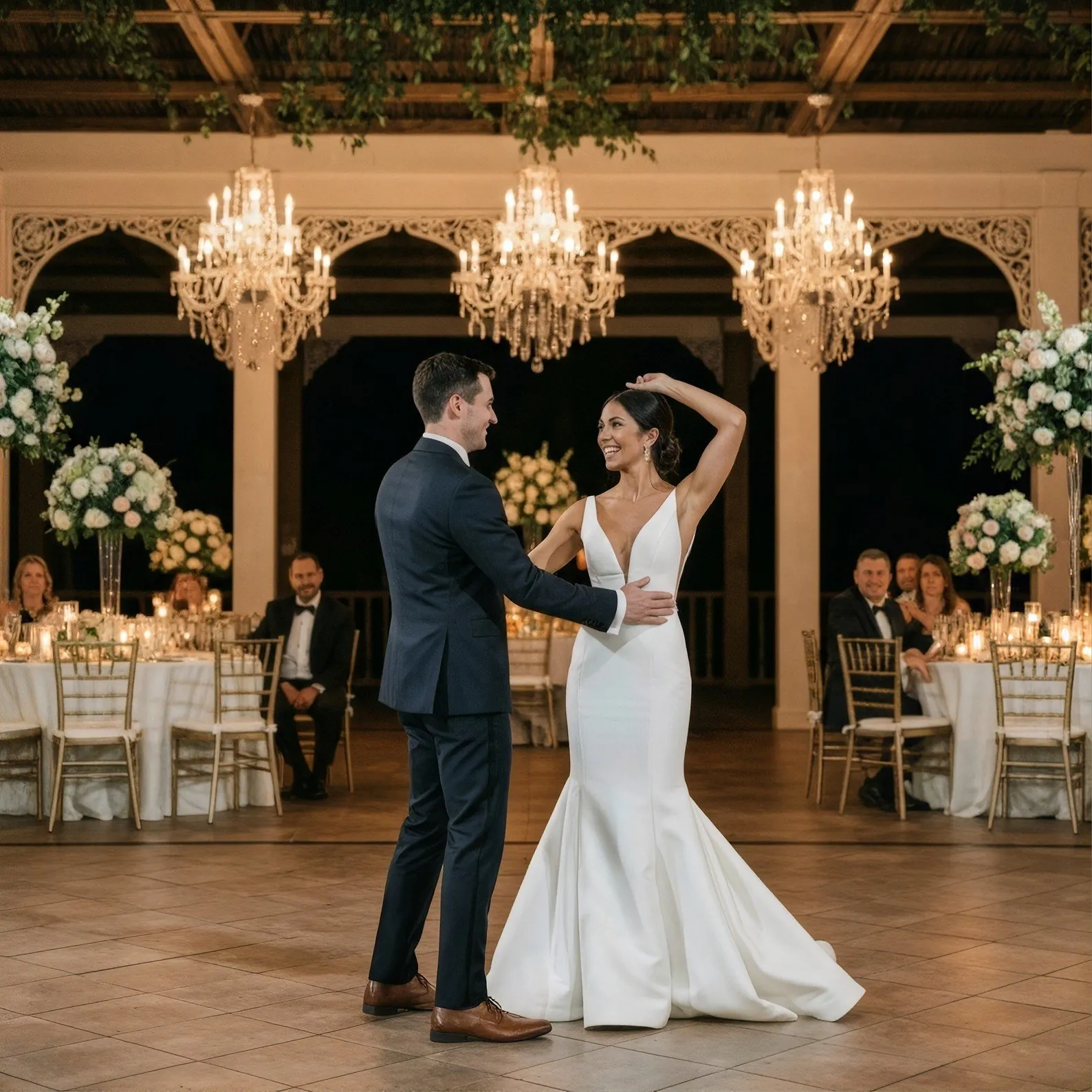
Between the ceremony, the toasts, the first dance, and every moment in between, there is one person quietly keeping the whole event on track: your DJ.
Most couples think hiring a wedding DJ is simple. Find someone with good reviews, check their availability, and book them. But the DJ you choose does far more than press play on a playlist. The right wedding DJ reads the room, manages the timeline, keeps your guests engaged, and makes sure every important moment gets the attention it deserves.
The wrong one can throw off an entire reception, even if the music itself sounds fine.
For couples planning a wedding in Jacksonville, St. Augustine, Ponte Vedra, North Florida, or South Georgia, finding the right wedding DJ can be the difference between a reception that flows effortlessly and one that feels disjointed, awkward, or rushed.
What Makes a Wedding DJ Different From Other DJs?
A wedding DJ is not just a music selector. They are the emcee, the timeline manager, and often the calmest person in the room when something changes at the last minute.
At a wedding, the DJ needs to coordinate with the planner, photographer, caterer, and venue staff, all while reading the emotional tone of the room and adjusting the music and energy in real time.
That is very different from a club DJ or a private party DJ. A wedding has a structure: processional, first look, toasts, dinner, first dance, parent dances, cake cutting, bouquet toss, open dancing, and send-off. Every one of those moments needs the right music, the right timing, and the right announcements.
A DJ who has only worked bars or corporate events may not understand how to guide a wedding reception through all of these transitions smoothly.
The Biggest Mistake Couples Make When Hiring a Wedding DJ
One of the most common mistakes couples make is choosing a DJ based on price alone, without asking about their wedding experience specifically.
A DJ can be talented and still be the wrong fit if they have never managed a full wedding timeline before. Weddings involve dozens of moving parts, and the DJ often acts as the unofficial director of the entire evening.
Another common mistake is assuming any DJ with good equipment can read a room. Reading a room, especially a wedding reception full of family members with very different tastes and energy levels, is a skill that takes real experience to develop.
Every Wedding Reception Has a Different Flow
No two weddings unfold exactly the same way, and the DJ needs to adjust for each phase of the day.
Cocktail Hour
Cocktail hour sets the tone for the rest of the night. The music should be relaxed and welcoming, giving guests a chance to mingle without competing with conversation.
Dinner and Toasts
During dinner, the DJ manages sound levels for speeches and toasts, coordinates timing with the catering team, and keeps background music appropriate for the moment.
First Dance and Family Dances
These are some of the most emotional moments of the night. The DJ needs to handle these songs, and the transitions in and out of them, with care and precision.
Open Dancing
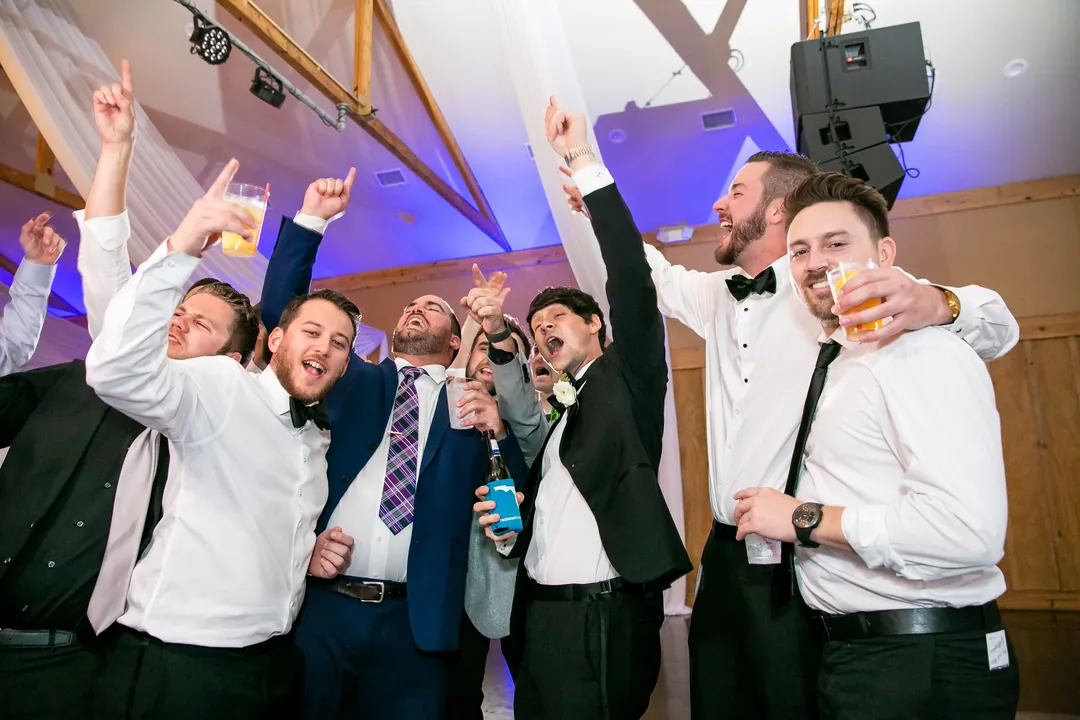
This is where the DJ's ability to read the crowd really matters. The right DJ knows how to build energy gradually, mix in requests thoughtfully, and keep the dance floor full without losing the vibe the couple wanted.
Send-Off
Whether it is a sparkler exit, a grand exit, or a simple last dance, the DJ manages timing so the night ends the way the couple envisioned.
What Should You Ask Before Hiring a Wedding DJ?
Before booking a wedding DJ, go beyond price and availability. Ask questions that reveal whether they understand weddings specifically.
1. How many full weddings have you DJ'd, not just other types of events?
2. Do you act as the emcee, or do you only play music?
3. How do you handle timeline changes on the day of the wedding?
4. Can you coordinate directly with our planner, photographer, and venue?
5. What is your approach to taking song requests from guests?
6. Do you have backup equipment in case something fails?
7. How do you handle clean lyrics and appropriate music for a mixed-age crowd?
Red Flags When Hiring a Wedding DJ
Not every DJ is the right fit for a wedding. Some warning signs to watch for include:
- They have never worked a full wedding from start to finish.
- They cannot clearly explain how they would handle the reception timeline.
- They do not ask about your vision, your must-play or do-not-play list, or your guests.
- They seem unfamiliar with coordinating alongside a planner or venue coordinator.
- They do not have a backup plan for equipment failure.
- They are vague about pricing or what is included in their package.
How Should Music Be Chosen for Your Wedding?
Music should reflect the couple, not just the DJ's personal taste. A strong wedding DJ takes time to understand what you and your guests will enjoy, while also knowing how to read the room and adjust in real time.
That means being ready to shift from a slower song for grandparents to a high-energy set for the wedding party, all while keeping the transitions smooth and natural.
Clean lyrics and family-friendly content matter too, especially with guests of all ages in the room. A great wedding DJ balances your preferences with what will actually keep the night moving.
The DJ Should Be Part of Your Wedding Day Team
The best wedding DJs are not vendors who show up and press play. They are part of your day-of team, working closely with your planner, photographer, and venue staff.
Before the wedding, the DJ should be willing to review the full timeline, discuss key moments, and confirm any special requests, whether that is a surprise song, a special dance, or specific timing for the toasts.
On the wedding day, the DJ should be tracking the schedule closely, ready to adjust in real time if the ceremony runs long, dinner is delayed, or a special moment needs more time.
Does Every Wedding Need a Packed Dance Floor?
Not necessarily, and that is worth saying clearly.
Some couples want a dance floor packed all night long. Others want a more relaxed evening with background music, meaningful toasts, and a shorter dancing window. Both are completely valid.
The best wedding DJs do not measure success only by how many people are dancing. They measure it by whether the night felt the way the couple wanted it to feel.
A great DJ asks about your priorities ahead of time and shapes the evening around them, rather than assuming every wedding needs to end with a packed floor.
Why Local Experience Matters in Jacksonville, St. Augustine, and North Florida
Weddings in this region happen in a wide range of settings, from beachfront ceremonies in St. Augustine to elegant ballroom receptions in Jacksonville to garden venues throughout North Florida and South Georgia.
Each setting comes with its own logistics. Outdoor beach weddings often mean managing wind, sound carry, and sunset timing. Historic venues in St. Augustine may have noise restrictions or limited power access. Larger ballroom venues require different sound coverage than an intimate backyard reception.
A DJ with real experience across this region understands these differences and has likely already worked with many of the venues, planners, and vendors you may be considering.
The Right Wedding DJ Is a Partner, Not Just a Playlist
If you are planning a wedding, do not just look for someone who can play music. Look for someone who wants to be a partner in bringing your day to life.
The right wedding DJ listens to your vision, offers guidance based on real experience, and helps you think through the moments that matter most, from the first dance to the last song of the night.
A great wedding DJ brings music, professionalism, timeline management, and genuine care together to help create a day that feels exactly like you.
Final Takeaway
The right wedding DJ is not necessarily the loudest, cheapest, or flashiest option.
The right wedding DJ is the one who understands your vision, manages your timeline with confidence, works well with your other vendors, and helps your reception flow naturally from start to finish.
Whether you are planning a wedding in Jacksonville, St. Augustine, Ponte Vedra, North Florida, or South Georgia, look for a DJ who can do more than play songs. Look for a partner who can help make your day feel exactly the way you imagined it.
FAQs About Hiring a Wedding DJ
How far in advance should we book our wedding DJ?
Most couples book their wedding DJ six to twelve months in advance, especially for popular wedding dates in spring and fall. Booking early helps ensure availability with an experienced local DJ.
Does our wedding DJ also act as the emcee?
In most cases, yes. A wedding DJ typically handles announcements, introductions, and guides the reception through each phase of the evening, in addition to playing music.
Can we give our DJ a do-not-play list?
Absolutely. A good wedding DJ will welcome a do-not-play list along with your must-play songs and will use both to shape the evening around your preferences.
What happens if our DJ's equipment fails?
An experienced wedding DJ carries backup equipment and has a plan in place to handle technical issues without disrupting your reception.
Will our DJ coordinate with our wedding planner and venue?
A professional wedding DJ should be willing to communicate directly with your planner, photographer, and venue coordinator to keep the timeline running smoothly.
Do we need to have a big dance party at our wedding?
Not at all. Some couples prefer a more relaxed evening with less dancing. The right DJ will shape the night around what you and your guests will enjoy most.
What areas do wedding DJs typically serve in North Florida?
Many wedding DJs serve Jacksonville, St. Augustine, Ponte Vedra, Amelia Island, North Florida, and South Georgia, though coverage can vary depending on the DJ and the venue location.
Every wedding reception has a rhythm.
There is a natural rise and fall to the evening, from the quiet excitement of cocktail hour to the emotional weight of the first dance to the high energy of a packed dance floor later in the night. When that rhythm is managed well, guests barely notice it. When it is not, the night can feel rushed, awkward, or like it drags in the wrong places.
Your DJ is the person responsible for that rhythm.
More than almost anyone else at your reception, your DJ controls the pacing of the evening. They decide when to bring energy up, when to let it settle, and when to guide guests from one moment to the next. For couples planning a wedding in Jacksonville, St. Augustine, Ponte Vedra, North Florida, or South Georgia, understanding how a wedding reception timeline actually works can help you choose a DJ who will manage it well.
Why the Reception Timeline Matters So Much
A wedding reception is not one long party. It is a sequence of distinct moments, each with its own purpose, tone, and pacing.
Cocktail hour needs to feel relaxed. Toasts need quiet and clear sound. The first dance needs stillness and attention. Open dancing needs energy and momentum. If any of these moments run too long, too short, or blend into each other awkwardly, the whole evening can start to feel off, even if every individual piece was planned well.
A DJ who understands timeline management does more than play the right songs. They read the room, watch the clock, and communicate with your other vendors to keep everything moving at the right pace.
Cocktail Hour: Setting the Tone
Cocktail hour is often the first real chance for guests to relax after the ceremony. The music here should feel warm and welcoming, without demanding too much attention.
This is also usually when the DJ introduces themselves to the room in a subtle way, testing sound levels and getting a feel for the crowd before the more structured parts of the evening begin.
Grand Entrance and Introductions
The grand entrance sets the energy for the rest of the reception. A DJ who understands pacing will build anticipation, coordinate timing with the wedding party, and make sure the announcement itself feels exciting rather than rushed or awkward.
This is also usually the moment guests get their first real sense of the DJ's personality and style, which is why experience with introductions and microphone presence matters as much as music selection.
Dinner and Toasts
During dinner, the DJ shifts into a more supporting role. Background music should stay low enough for conversation, and the DJ needs to be ready to adjust sound levels quickly when toasts begin.
Toasts require careful microphone management, especially if multiple speakers are involved. A DJ with real wedding experience knows how to keep this segment running smoothly without drawing attention away from the people speaking.
First Dance and Family Dances
These moments are some of the most emotional of the entire day, and they deserve careful handling.
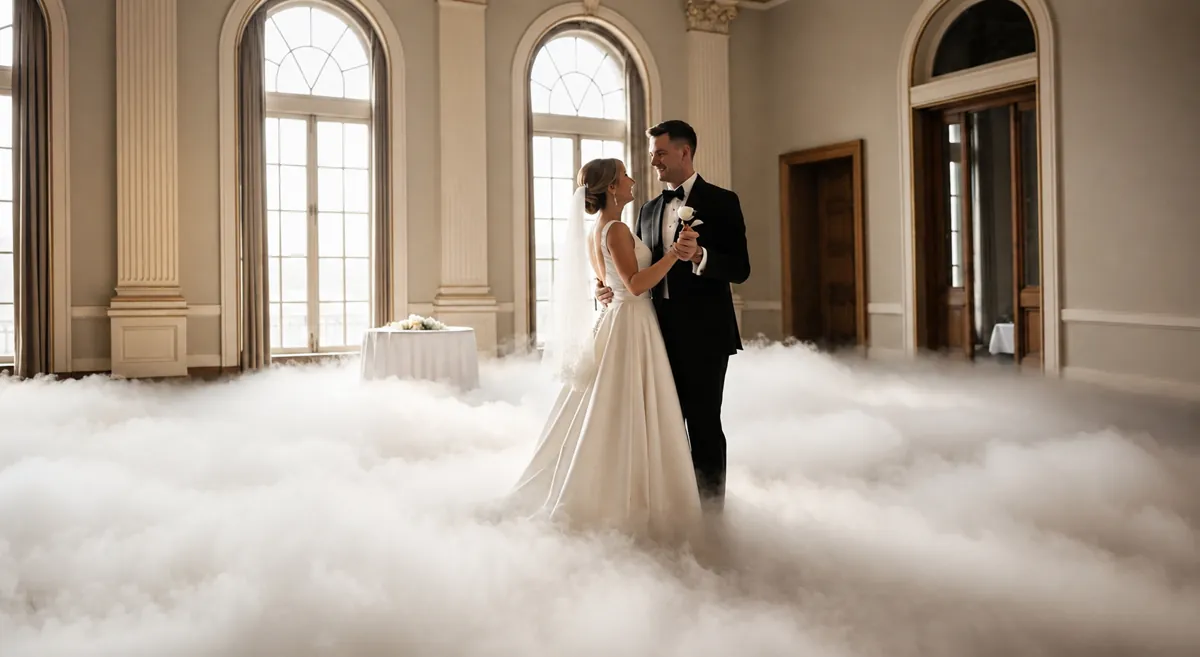
The DJ needs to manage the transition into these songs, control lighting cues if applicable, and be ready to adjust volume or timing based on how the moment is unfolding. A rushed or poorly timed first dance can feel jarring, while a well-managed one becomes one of the most memorable parts of the night.
Cake Cutting and Bouquet Toss
These traditional moments are shorter, but they still require the DJ to manage timing, music cues, and announcements clearly so guests know what is happening and can gather to watch.
Open Dancing
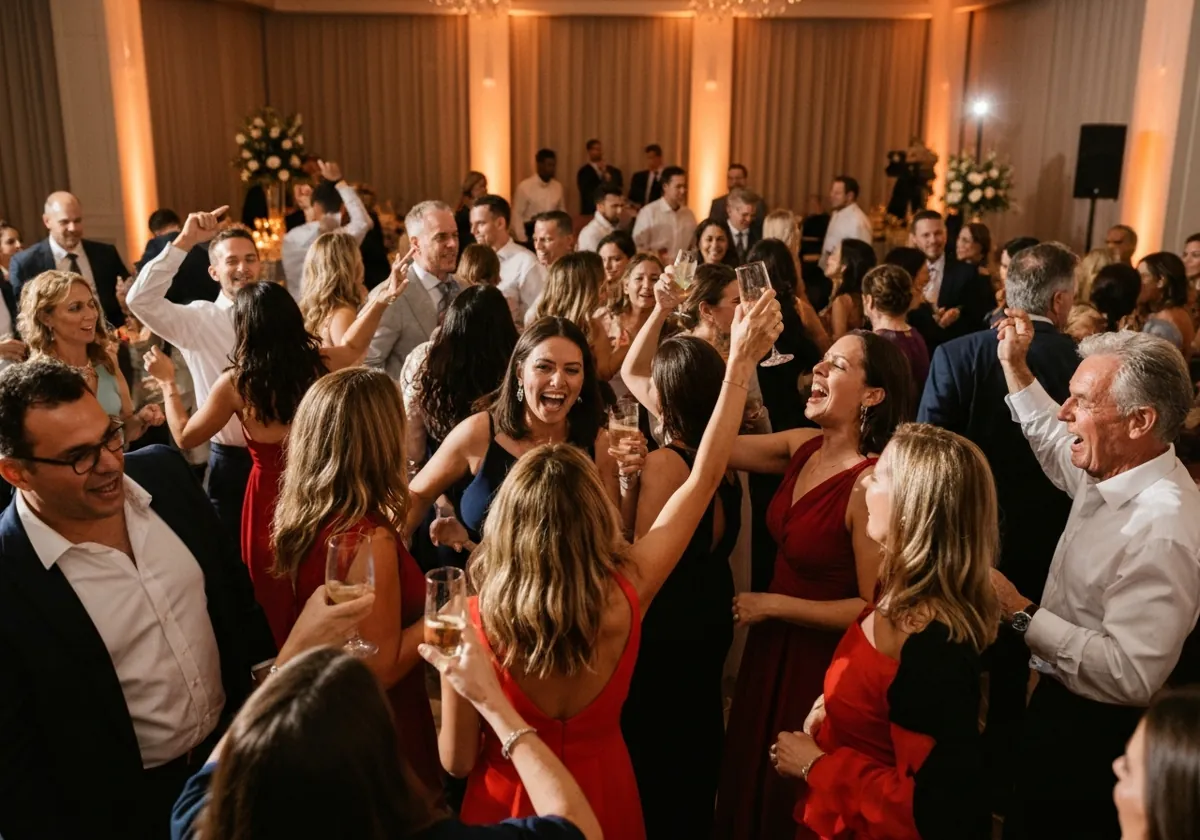
This is where a DJ's experience really shows. Building the right energy on the dance floor is not just about song choice. It is about reading the crowd, adjusting in real time, and knowing when to bring the energy up or ease it back based on how guests are responding.
A skilled DJ blends guest requests with their own read of the room, keeping the floor full without losing the vibe the couple originally wanted.
Send-Off
Whether it is a sparkler exit, a classic car departure, or simply the last song of the night, the send-off is the final impression of the evening. Good timing here matters just as much as it did at the beginning of the night.
What Can Throw Off a Wedding Timeline?
Even the best-planned weddings run into surprises. A ceremony might run long. Dinner service might take extra time. A speech might go longer than expected.
The difference between a smooth reception and a stressful one often comes down to how well the DJ adapts when something changes. An experienced wedding DJ does not panic when the timeline shifts. They adjust in real time, communicate with the planner and venue staff, and keep the reception moving without making it obvious to guests that anything changed at all.
How a DJ Should Work With Your Other Vendors
Your DJ should not be operating in isolation. The best wedding DJs coordinate closely with your wedding planner, photographer, videographer, and venue coordinator throughout the evening.
This kind of coordination matters most during transitions, like moving from cocktail hour to the reception, or timing the first dance so the photographer is ready to capture it. A DJ who treats the day as a team effort, rather than working solo, will help your entire vendor team run more smoothly together.
Questions to Ask About Timeline Management
When you are interviewing wedding DJs, it is worth asking directly how they handle the reception timeline.
1. How do you build a wedding day timeline with couples?
2. What happens if the ceremony or dinner runs behind schedule?
3. How do you communicate with our planner and other vendors during the reception?
4. How do you decide when to transition between different parts of the night?
5. Do you provide a detailed run of show ahead of the wedding?
A DJ who can answer these questions clearly and confidently is far more likely to manage your reception smoothly than one who has never thought through these details.
Why Local Experience Helps With Timeline Management
Wedding venues across Jacksonville, St. Augustine, Ponte Vedra, North Florida, and South Georgia each come with their own quirks, from sunset timing at beachfront venues to sound restrictions at historic properties to layout challenges at larger ballroom spaces.
A DJ with experience across this region has likely already worked in many of these settings and understands how local factors, like weather, venue rules, or typical vendor teams, can affect the pacing of a reception.
Final Takeaway
A wedding reception timeline is not just a schedule. It is the structure that holds your entire evening together, and your DJ is the person responsible for managing it in real time.
The right wedding DJ does more than play great music. They understand pacing, communicate with your vendor team, and adapt smoothly when the unexpected happens, all while keeping the night feeling exactly the way you imagined it.
Whether you are planning a wedding in Jacksonville, St. Augustine, Ponte Vedra, North Florida, or South Georgia, look for a DJ who treats your reception timeline with the same care they bring to the music itself.
FAQs About Wedding Reception Timelines
How long is a typical wedding reception?
Most wedding receptions run between four and five hours, though this can vary based on the couple's preferences and venue restrictions.
Who is responsible for building the wedding day timeline?
Typically, the wedding planner and DJ work together to build a detailed timeline, often with input from the photographer and venue coordinator as well.
What happens if part of the day runs late?
An experienced wedding DJ adjusts the remaining timeline in real time, working with other vendors to keep the evening flowing smoothly despite the delay.
How much time should we plan for open dancing?
Open dancing often takes up the largest block of reception time, typically one and a half to two hours, depending on the overall length of the event.
Should we give our DJ a detailed schedule ahead of time?
Yes. Sharing your timeline in advance helps your DJ prepare music cues, announcements, and transitions so the night runs as smoothly as possible.
Can our DJ help us build the timeline if we do not have a planner?
Many experienced wedding DJs are happy to help couples build a reception timeline, especially if they have worked without a planner present before.
Does the reception timeline change for outdoor or beach weddings?
Often, yes. Outdoor and beach weddings may need to account for sunset timing, wind, and sound considerations, which an experienced local DJ will already be familiar with.